
Seal Failures: Why They Happen & How to Avoid Them in Automated Packaging

In the world of automated packaging, a bag is only as good as its seal. You can have the fastest Autobag or Sharp machine and the most efficient fulfillment team, but if the bag pops open during transit, the result is the same: damaged products, frustrated customers, and costly returns.
A "perfect seal" isn't just about holding the item inside; it requires a balance of hermetic integrity (no leaks) and aesthetic appeal (no wrinkles or burns). When seals fail, it is rarely bad luck—it is physics. This guide breaks down why seal failures happen and how to troubleshoot them before they impact your bottom line.
Identifying the Enemy: Common Types of Seal Defects
Before fixing the problem, you must identify it. Most seal failures fall into four distinct categories:
Weak Seals (Tacky Seals): The bag looks sealed, but the layers peel apart with minimal effort. The bond exists but hasn't fully fused.
Channel Leaks: The seal appears intact, but microscopic channels remain. For applications using VCI (Rust Inhibitor) or Medical Sterilization bags, this is catastrophic as it allows air and moisture to bypass the barrier.
Burnt or Distorted Seals: The plastic at the seal line is wrinkled, discolored, or brittle. While these seals might hold, they are unsightly and prone to cracking under stress.
Incomplete Seals: Gaps where the seal bar failed to make contact, often caused by folds in the film or debris in the seal area.
The "Big 3" Culprits Behind Failed Seals
Whether you are running an Autobag 500, a Pac Machinery Rollbag, or a Sharp MAX-PRO, the physics of heat sealing remain the same. Failures are almost always caused by an imbalance in Temperature, Pressure, or Time—or the material itself.
1. Process Parameters (The Machine Settings)
Whether you are running an Autobag 500 or a Sharp MAX-PRO, the fundamentals of heat sealing remain the same. Failures are almost always caused by an imbalance in Temperature, Pressure, or Time.
If your settings are off, your seal will fail.
Temperature: Too low, and the sealant layer doesn't melt (weak seal). Too high, and the backing layer burns (brittle seal).
Dwell Time: This is how long the seal bar touches the bag. High-speed operations often try to cut this time to increase throughput, but if the heat doesn't have time to transfer through the film, the bond won't hold.
Pressure: The seal jaws must clamp down with enough force to fuse the molten layers. If the pressure is uneven, you will see "spotty" seals.
2. Machine Maintenance (The Hardware)
Even perfect settings can't fix a neglected machine. The most common offender is the PTFE (Teflon) tape covering the heating element.
Worn PTFE Tape: This tape prevents the hot bar from sticking to the plastic. If it wears down or burns through, the bag will stick to the heater, causing ugly, stringy, or burnt seals.
Dirty Seal Bars: Residue from previous bags or dust from the factory floor can create uneven surfaces, preventing the seal jaws from closing completely.
3. Material Incompatibility (The Consumable)
This is the variable most operators overlook. Not all "poly bags" are created equal.
Inconsistent Gauge (Thickness): If you use low-quality generic rolls, the film thickness might fluctuate by +/- 10%. A setting that seals a 2-mil section perfectly might burn through a 1.5-mil section of the same roll.
Wrong Material Formulation: Using a standard LDPE bag for a high-speed application often leads to failure. High-speed machines need films with specific "hot tack" properties to hold the seal while it's still hot.
Contamination: For industrial parts (like oily bolts) or powdery items, contaminants trapped in the seal area will prevent fusion.
Troubleshooting Seal Failures: A 4-Step Checklist
If you are experiencing downtime due to seal issues, follow this rapid diagnosis path:
Step 1: The "Tug Test"
Immediately after a cycle, allow the seal to cool for 3 seconds, then pull it.While lab environments use ASTM F88 standards to measure exact seal strength, a manual tug test gives you immediate feedback on the production floor.
Peels apart? Increase Temperature by 5-10 degrees or increase Dwell Time slightly.
Stretches or tears the film? That is a good seal. The film should break before the seal separates.
Snaps or crumbles? It's burnt. Decrease Temperature or Dwell Time.
Step 2: Inspect the Teflon (PTFE) Cover
Look at the heating bar. Is the Teflon tape black, torn, or bubbling? Replace it immediately. A $5 strip of tape is often the solution to thousands of dollars in wasted downtime.
Step 3: Check for Obstructions
Ensure the product is fully settled in the bag before the jaws close. If the product is too high, it physically blocks the seal bars. For Sharp or Autobag systems, adjust the "load shelf" height or bag length settings to ensure clear clearance.
Step 4: Validate Your Material
If you have adjusted parameters and cleaned the machine but the problem persists, the issue is likely the bag itself. Inconsistent film blends are the silent killer of productivity.
Prevention: The Hidden Value of Premium Consumables
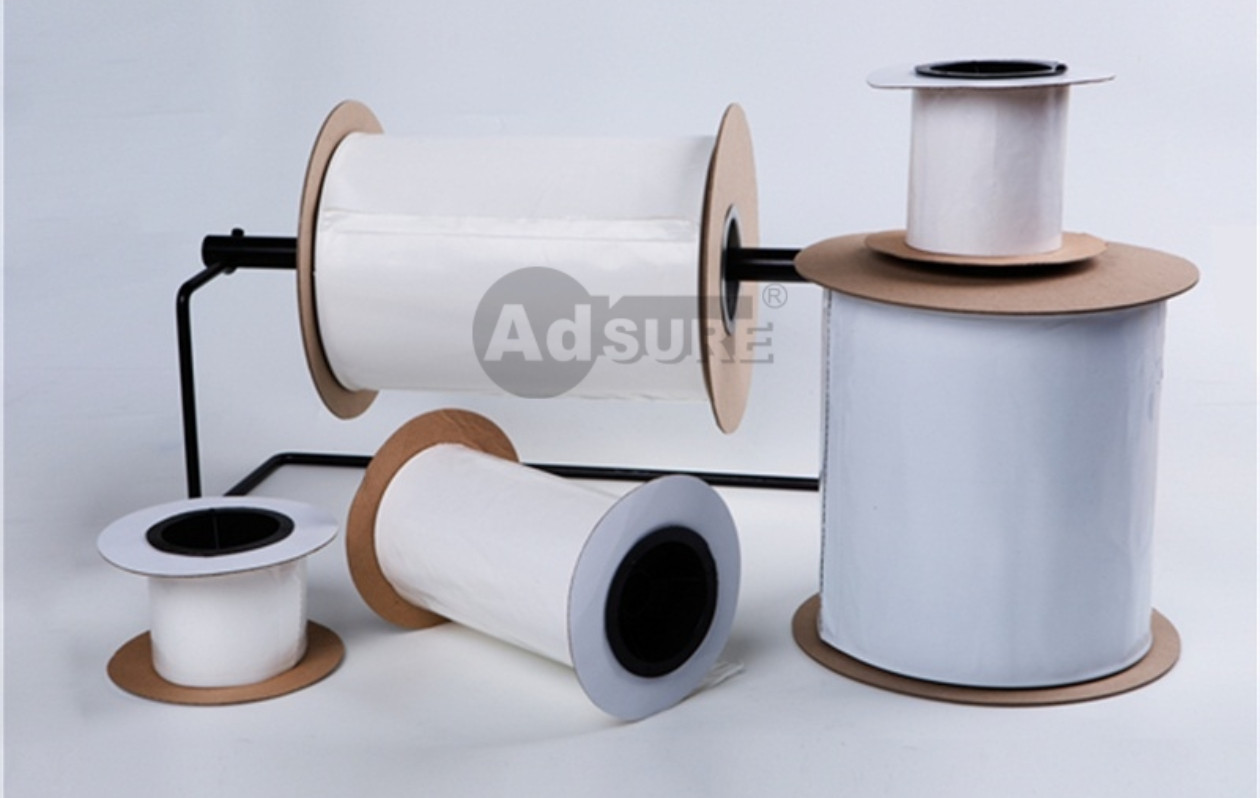
Many manufacturers try to save money by buying the cheapest generic bags available, only to lose those savings to downtime and repackaging labor. Using high-quality consumables like Adsure,APOP is a proactive strategy to prevent seal failures.
Why Material Consistency Matters
Premium consumables are engineered with tighter gauge tolerances. This means the thickness of the first bag on the roll is identical to the last bag.
Stable Settings: You don't need to constantly tweak temperature settings as you work through a roll.
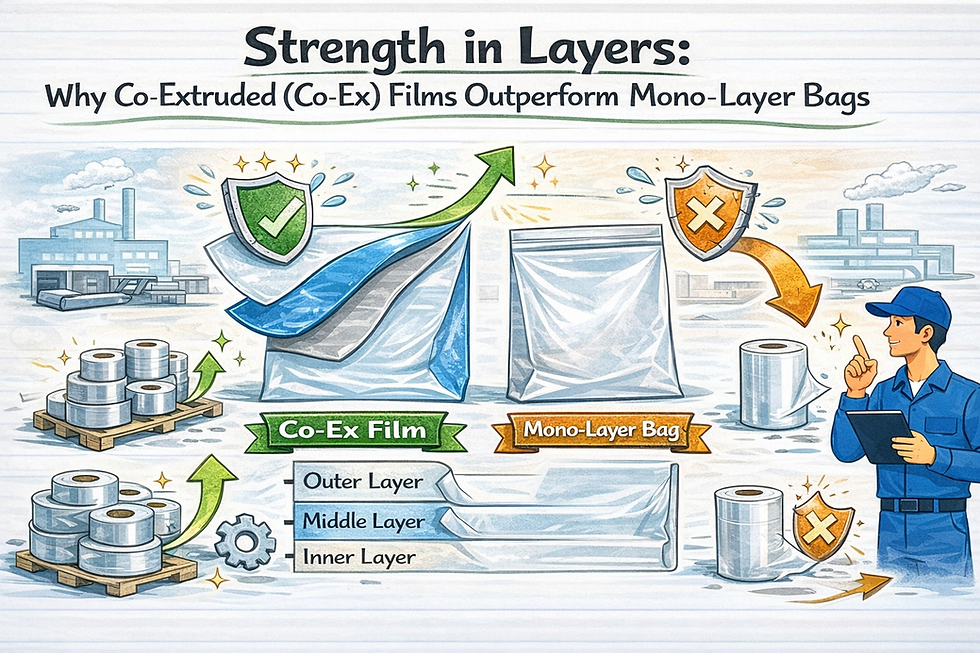
Multi-Layer Technology: Advanced films, such as Co-Ex (Co-Extruded) bags, use a dedicated low-melt inner layer for easy sealing and a tough outer layer for puncture resistance. This widens the "operating window," making it harder to burn the bag and easier to get a strong seal.
Tailored Solutions for Tough Applications
Standard clear bags aren't always the answer.
Dusty/Oily Environments: If you are packing hardware, Adsure's heavy-duty films are formulated to seal through minor contamination.
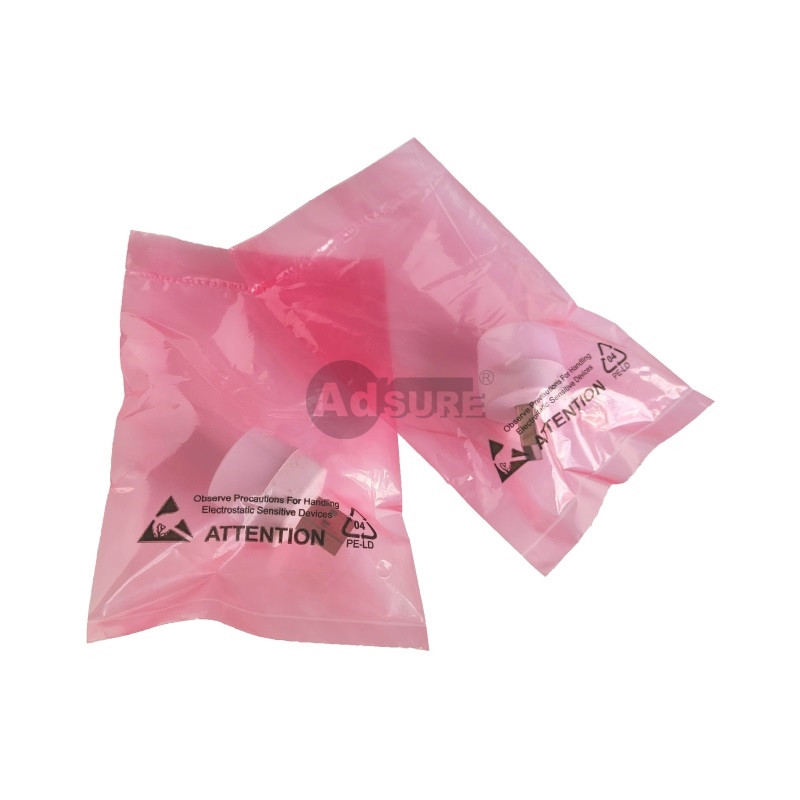
Electronics: Standard bags can generate static that interferes with the seal. ESD bags are essential here to ensure the film lays flat and seals clean.
Final Thoughts
Seal failures are a signal that your Machine-Material-Process triangle is out of balance. While machine maintenance and parameter adjustments are the first line of defense, they cannot compensate for poor-quality film.
Don't let a fraction-of-a-cent difference in bag cost compromise the security of your product. If you are struggling with inconsistent seals on your Autobag, Sharp, or Pac Machinery systems, it might be time to test a material engineered for reliability.
Ready to stabilize your packaging process?Contact the Adsure Packaging team today to request a free sample roll of our APOP high-performance bags. Test them on your machine and see the difference consistency makes.
FAQ
Q1: Why are my bags sealing perfectly on one side but leaking on the other?
This "uneven sealing" is usually caused by misalignment or wear on the seal bar. Check your Teflon (PTFE) tape first—if it's worn down on one side, heat transfer will be inconsistent. Also, inspect the rubber pressure pad (silicone strip) under the seal bar for dents or damage. If the machine hardware is fine, the issue might be gauge variation in your film roll (one side thicker than the other), which is a sign you need higher-quality consumables like Adsure / APOP bags.
Q2: Can I use standard LDPE bags for high-speed automated packaging?
Technically yes, but it’s risky. Standard LDPE (Low-Density Polyethylene) often lacks the "hot tack" strength needed for high-speed machines like the Autobag 500 or Sharp MAX-PRO. This means the seal might peel open before it cools down as the heavy product drops into the bag. For high-throughput lines, we recommend Co-Ex (Co-Extruded) films or distinct Linear Low-Density (LLDPE) blends, which are engineered to seal instantly and hold heavy loads while hot.
Q3: How often should I change the Teflon tape on my heat sealer?
There is no fixed rule, but a visual check should be part of your daily start-up routine. Replace the tape immediately if you see discoloration (turning black), bubbling, or tears. In high-volume fulfillment centers running 24/7, this might mean changing it once a week. Ignoring worn tape is the #1 cause of burnt, stringy, and ugly seals that lead to product returns.


Comments